
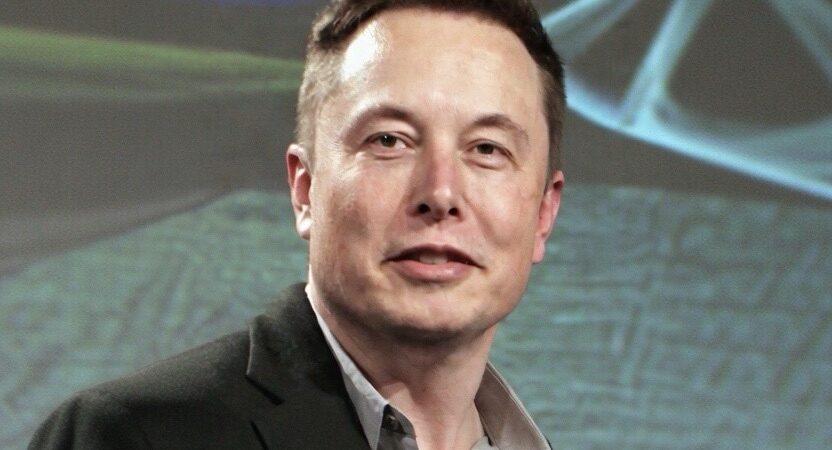
Love him or criticize him, it’s hard to ignore one thing: Elon Musk has consistently forced industries to move faster than they were comfortable with.
In multiple sectors, he didn’t just compete. He accelerated timelines.
Here’s how.
1. Tesla Made Electric Cars Mainstream Before It Was Cool
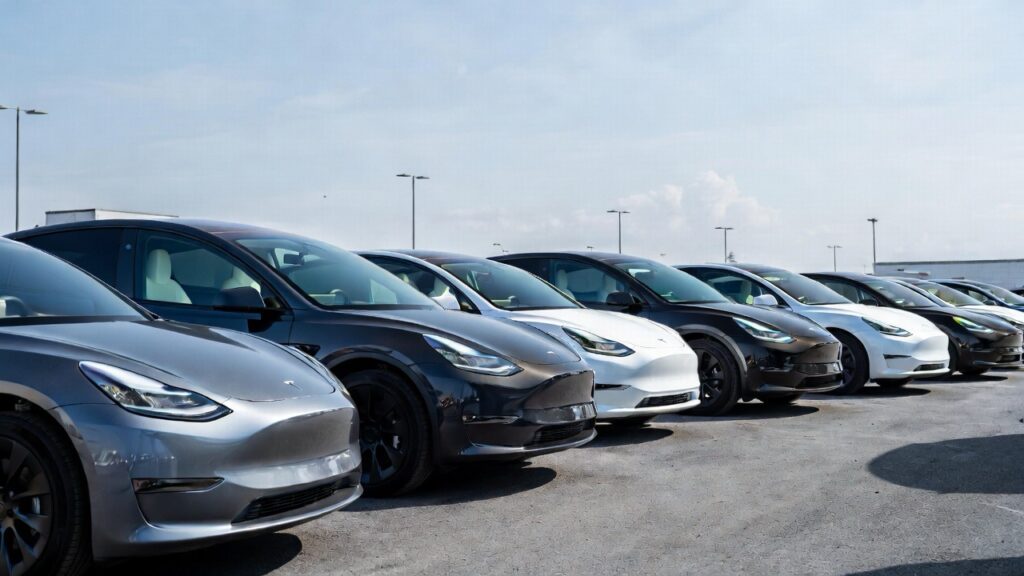
A decade ago, electric cars were niche. Slow. Boring. Compliance vehicles.
Most automakers treated EVs as side projects to satisfy regulations.
Tesla treated EVs as the future.
Instead of building “acceptable” electric cars, Tesla built:
Long range batteries High performance EVs Over the air software updates A proprietary charging network Real world autonomous driving development
Today, every major automaker is racing toward electrification. Without Tesla proving demand, it’s fair to say the global EV shift would have been much slower.
Autonomous driving is another example. Tesla normalized the idea that your car could update itself and gradually become smarter. Without that push, true large scale self driving adoption might have been decades away.
2. SpaceX Made Rocket Reusability Real
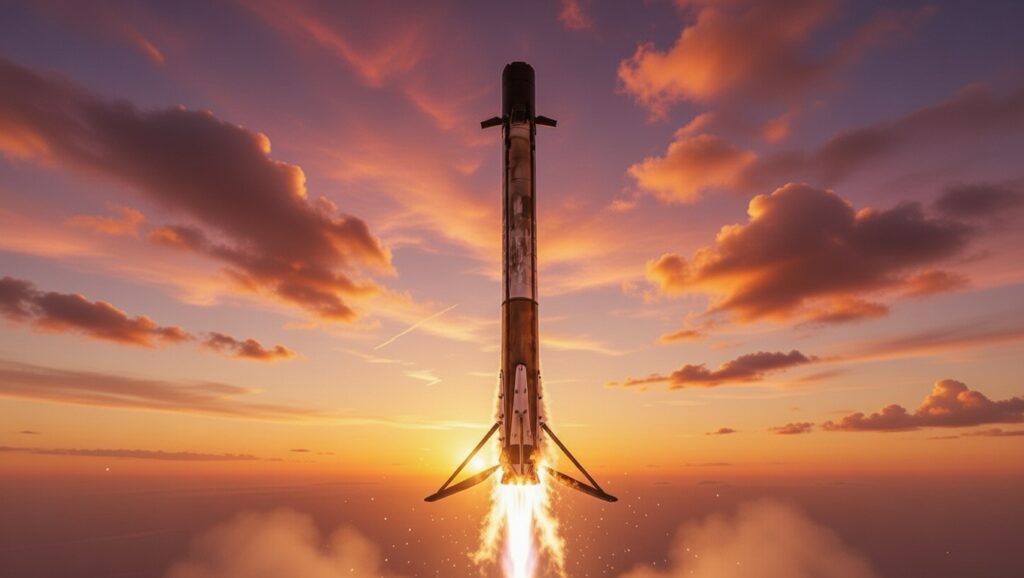
For decades, rockets were disposable. Launch. Burn. Splash down. Repeat at massive cost.
The idea of landing a booster back on Earth sounded like science fiction.
Then SpaceX did it.
When the Falcon 9 booster landed vertically for the first time, it wasn’t just a cool moment. It redefined launch economics.
Reusable rockets:
Cut launch costs Increased launch frequency Enabled private space missions Accelerated satellite deployment
Today, reusability is no longer a fantasy concept. It’s the standard competitors are chasing.
3. Starlink Is Connecting the Unconnected
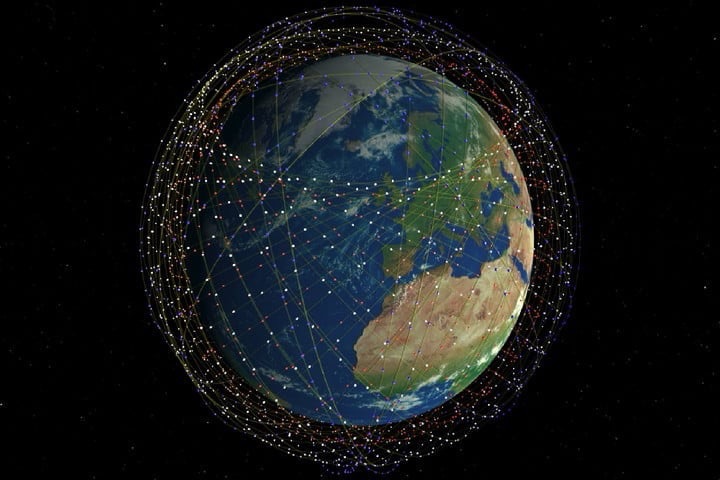
High speed internet has long been limited by geography. Remote villages, ships, rural areas, and disaster zones often had little to no reliable access.
Starlink changed that model.
By deploying thousands of low Earth orbit satellites, it created a global internet layer independent of local infrastructure.
This means:
Remote regions get broadband access War zones and disaster areas can reconnect quickly Businesses can operate in previously disconnected areas
For many places, traditional fiber might have taken years or decades to reach. Satellite internet compressed that timeline dramatically.
The Pattern: Relentless First Principles Thinking
What sets Elon Musk apart isn’t just ambition. It’s approach.
He questions:
Why are rockets disposable? Why are cars still fossil fuel dependent? Why is internet tied to cables on the ground?
Instead of improving existing systems by 5 percent, he redesigns them from scratch.
That kind of thinking forces entire industries to evolve faster.
The Bigger Picture
You can debate management style, public statements, or execution risks. But the technological impact is difficult to deny.
Electric mobility accelerated.
Rocket reusability became real.
Global satellite internet scaled faster than expected.
In multiple sectors, timelines moved forward by years, maybe even a decade.
That’s what makes Elon Musk one of the most disruptive technologists of our time.
Related posts:
 SpaceX’s Potential IPO: The Dawn of a Trillion-Dollar Space Era?
 Nvidia Backs Wayve in $1.2 Billion AI Self-Driving Push
 India’s AI Boom: World’s Fastest-Growing AI Consumer — But Are We Building or Just Using?
 Sundar Pichai Meets Narendra Modi: What the February 18, 2026 Meeting Means for India’s AI and Tech Future
Anthropic AI Shock: Why Indian IT Stocks Crashed
Sundar Pichai Meets Narendra Modi: What the February 18, 2026 Meeting Means for India’s AI and Tech Future
Anthropic AI Shock: Why Indian IT Stocks Crashed
 Nvidia’s Big Bet on India: The $2 Billion AI Investment and What It Means
The Strait of Hormuz Crisis: How a Geopolitical Flashpoint Is Shaking Global Financial Markets
Nvidia’s Big Bet on India: The $2 Billion AI Investment and What It Means
The Strait of Hormuz Crisis: How a Geopolitical Flashpoint Is Shaking Global Financial Markets
 🌍 Iran Attack Today Sends Shockwaves Through Crypto Markets
 Will Gold and Silver Surge as Iran–Israel Tensions Intensify?
 Bitcoin Bleeds as War Fears Rise — Panic Drop or Generational Opportunity?