
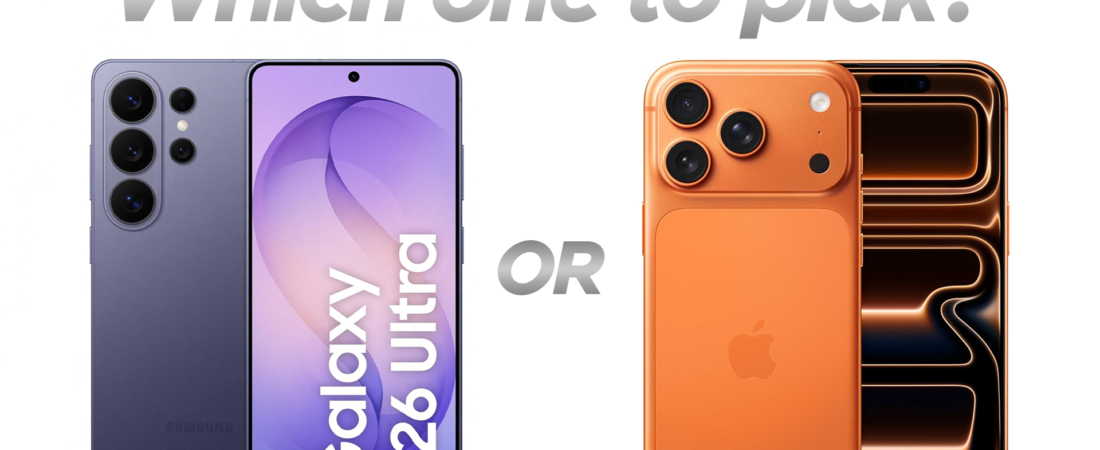
If you’re trying to decide between Apple’s latest Pro model and Samsung’s Ultra flagship, you’re not alone. IPhone 17 Pro vs Galaxy S26 Ultra: Which Should You Buy in 2026? is one of the biggest smartphone questions this year. Both devices sit at the top of their ecosystems, both promise cutting-edge performance, and both come with premium price tags. The right choice depends entirely on how you use your phone.
Here’s a clear, practical breakdown to help you decide.
Design and Display: Compact Precision vs Big-Screen Immersion
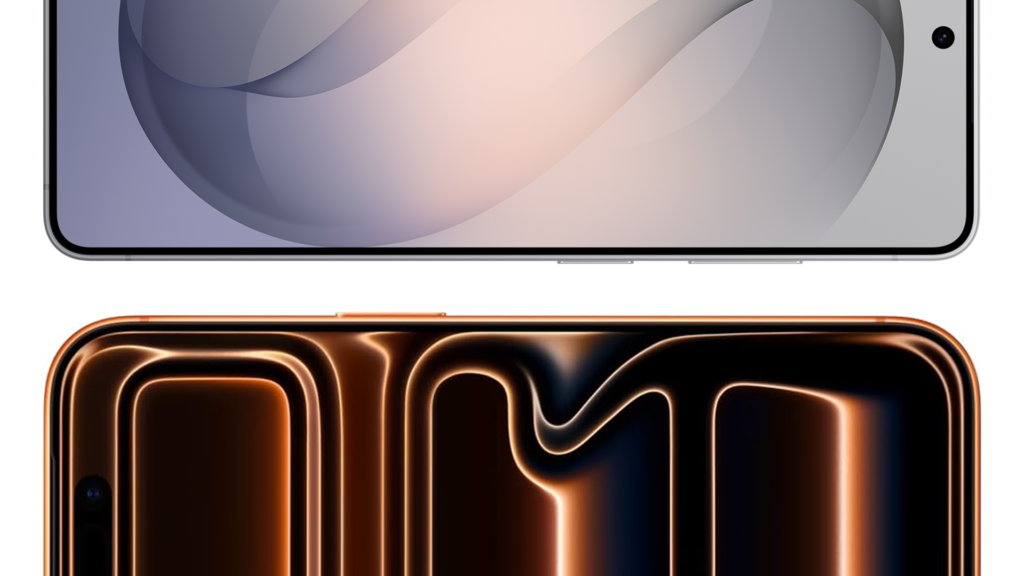
The Apple iPhone 17 Pro offers a more compact 6.3-inch display that balances sharpness, color accuracy, and one-handed comfort. Apple typically focuses on precise calibration, consistent brightness levels, and accurate HDR reproduction. The slightly smaller footprint makes it easier to use for messaging, browsing, and social media without constantly adjusting your grip. It also feels more natural for extended single-hand use, especially during commuting or quick interactions.
The Samsung Galaxy S26 Ultra features a larger 6.9-inch high-resolution AMOLED panel designed for immersive viewing. The additional screen space enhances visual depth, especially when watching high-resolution content or gaming. Samsung’s AMOLED panels are known for deep contrast, vibrant colors, and high peak brightness, which helps with outdoor visibility. The larger display also improves split-screen multitasking and document viewing.
Real-life impact:
- Choose iPhone 17 Pro if you prioritize portability, easier grip, and comfort during long daily usage.
- Choose Galaxy S26 Ultra if you consume a lot of video content, play graphically demanding games, edit media, or rely on multitasking with multiple apps open simultaneously.
Performance: Long-Term Optimization vs Multitasking Power
Apple’s A19 Pro chip focuses on efficiency and tight hardware-software integration. Because Apple designs both the hardware and the operating system, performance optimization tends to be extremely refined. This often results in smooth animations, fast app launches, and consistent responsiveness even years after release. iPhones are also known for receiving long-term software updates, which can preserve performance longevity.
Samsung’s Snapdragon 8 Elite Gen 5, paired with higher RAM options, provides strong multitasking performance and heavy workload handling. The additional RAM (often 12GB or 16GB) gives the device more flexibility when running demanding applications, keeping many apps open in the background, or handling large media files.
Real-life impact:
- If you frequently switch between multiple heavy apps, edit high-resolution videos, or use productivity tools like Samsung DeX for a desktop-style experience, the S26 Ultra offers more multitasking headroom.
- If you value smooth system-wide optimization, stable performance over several years, and refined animation consistency, the iPhone 17 Pro is often the safer long-term choice.
Camera System: Zoom Versatility vs Video Consistency
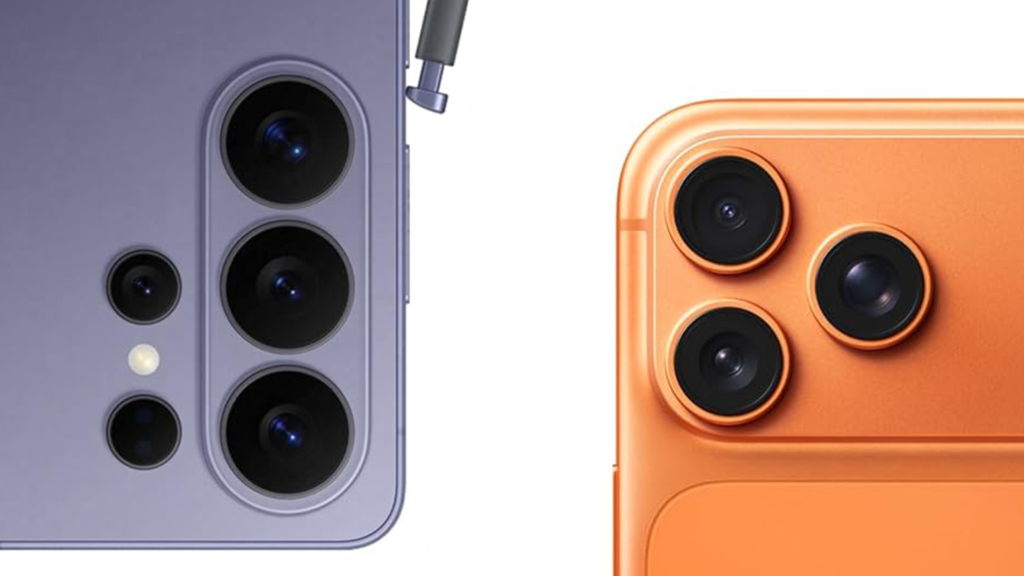
The Galaxy S26 Ultra emphasizes hardware strength with a high-resolution main sensor and advanced telephoto zoom system. Its camera setup is built to deliver detailed images, especially when zooming into distant subjects. Samsung often prioritizes sensor size and optical reach, allowing users to capture scenes that would otherwise require moving closer.
The iPhone 17 Pro focuses heavily on computational photography. Apple’s strength lies in image processing, tone mapping, and maintaining natural skin tones. Video recording is one of its most recognized advantages, with stable exposure adjustments, smooth transitions between lenses, and reliable color grading.
Real-life impact:
- Travel photography, concerts, wildlife, sports events, and architectural shots at a distance favor the S26 Ultra’s zoom and resolution capabilities.
- Vlogging, professional social media content, interviews, and cinematic video projects often benefit from the iPhone’s consistent color science and stabilization.
- If you want maximum flexibility in framing distant subjects, Samsung offers more versatility.
- If you want dependable results straight out of the camera with minimal editing, Apple may feel more predictable.
Battery and Charging: Capacity vs Efficiency
The Galaxy S26 Ultra includes a larger battery and typically faster wired charging speeds. Larger battery capacity provides more endurance under intensive workloads such as gaming, 4K recording, GPS navigation, and prolonged screen-on time.
The iPhone 17 Pro relies on deep software optimization and efficient silicon to deliver competitive real-world battery life despite a smaller battery capacity. Apple’s power management often prioritizes balanced performance and background task control.
Real-life impact:
- Heavy gaming sessions, extended travel days, and prolonged video usage may last longer on Samsung due to the larger battery.
- Moderate, mixed daily use — messaging, streaming, calls, browsing — may feel equally reliable on the iPhone due to optimized power consumption.
- If fast wired charging is important for quick top-ups during short breaks, Samsung generally provides an advantage.
Software and Ecosystem: Integration vs Flexibility
The iPhone integrates seamlessly with Mac, iPad, Apple Watch, AirPods, and Apple services like iMessage, FaceTime, and AirDrop. This ecosystem cohesion reduces friction between devices. File transfers, message synchronization, and cross-device workflows are highly streamlined. Apple also typically provides longer software support cycles.
Samsung offers Android flexibility, deeper customization, broader file system access, and features like split-screen multitasking. Users can adjust interface layouts, install alternative launchers, manage files more freely, and tailor the device experience more extensively.
Real-life impact:
- If you are deeply invested in Apple’s ecosystem and use multiple Apple devices daily, the iPhone 17 Pro creates a highly cohesive environment.
- If you value customization, system control, open file management, and advanced multitasking, the Galaxy S26 Ultra provides greater flexibility.
- For long-term software update reliability, Apple has historically held an edge.
- For power-user features and personalization depth, Samsung offers more configurability.
Who Should Buy Which?
| Category | iPhone 17 Pro | Galaxy S26 Ultra | Real-Life Advantage |
|---|---|---|---|
| Display | 6.3-inch Super Retina XDR OLED | 6.9-inch Dynamic AMOLED, higher resolution | Samsung for immersive content and gaming; iPhone for comfortable one-hand use |
| Build & Feel | Compact, premium, easier grip | Larger, more expansive design | iPhone for portability; Samsung for media consumption |
| Processor | A19 Pro (strong single-core optimization) | Snapdragon 8 Elite Gen 5 (high multi-core power) | iPhone for long-term smoothness; Samsung for heavy multitasking |
| RAM | ~8GB | 12GB–16GB | Samsung keeps more apps open without reloads |
| Camera (Main) | 48MP triple system, strong computational processing | 200MP main sensor with advanced zoom system | Samsung for zoom & detail; iPhone for color consistency |
| Video Recording | Industry-leading stabilization and tone accuracy | High-resolution video with pro controls | iPhone for vloggers; Samsung for manual control users |
| Zoom Capability | Moderate optical zoom | Advanced long-range optical/periscope zoom | Samsung for travel & events |
| Battery Capacity | Smaller but optimized | Larger 5000mAh-class battery | Samsung for heavy users |
| Charging Speed | Moderate wired, strong magnetic ecosystem | Faster wired charging | Samsung for quick top-ups |
| Software Updates | Longer support cycle | Competitive but typically shorter | iPhone for longevity |
| Ecosystem | Seamless Apple device integration | Flexible Android ecosystem + DeX | iPhone for Apple users; Samsung for productivity users |
Vloggers and Content Creators
- iPhone 17 Pro for consistent video quality and reliable stabilization.
- Galaxy S26 Ultra for zoom flexibility and detailed high-resolution shots.
Mobile Gamers
- Galaxy S26 Ultra for larger display and extended battery.
- iPhone 17 Pro for optimized game performance and stable frame pacing.
Business Professionals
- iPhone 17 Pro for ecosystem continuity and long-term updates.
- Galaxy S26 Ultra for multitasking and desktop-style productivity.
Travelers
- Galaxy S26 Ultra for zoom photography and bigger battery.
- iPhone 17 Pro for dependable video capture and seamless cloud sync.
Casual Everyday Users
- iPhone 17 Pro for simplicity and long-term reliability.
- Galaxy S26 Ultra for immersive display and customization options.
Final Verdict
There is no universal winner in the iPhone 17 Pro vs Galaxy S26 Ultra debate. The better choice depends on your priorities. If ecosystem integration, polished software, and video performance matter most, the iPhone 17 Pro is likely the right pick. If display size, zoom photography, multitasking flexibility, and battery capacity are your focus, the Galaxy S26 Ultra may be the better fit.
Before purchasing, consider your usage habits carefully and, if possible, experience both devices in person to make the most informed decision.


As an Amazon Associate, Navyukt earns from qualifying purchases.
Copyright & Affiliate Disclosure
Product images used in this article are either officially provided by the respective brands or used for editorial and informational purposes only. All trademarks, product names, logos, and brands are the property of their respective owners, including Apple and Samsung. No copyright infringement is intended.
This article may contain affiliate links. If you purchase a product through these links, we may earn a small commission at no additional cost to you. These commissions help support our website and allow us to continue creating independent, unbiased content. Our recommendations are based on research, real-world analysis, and editorial judgment — not on affiliate partnerships.
Related posts:
 Galaxy Unpacked 2026: A New Era of AI, Innovation, and Privacy
 The Hidden Galaxy S26 Ultra Features That Actually Matter
 Honor Robot Phone vs iPhone 17 Pro: Innovation vs Perfection
 iPhone 17e: A Masterstroke or Another Failure Like iPhone 16e?
 iPhone 17e: Apple’s Smartest Value Flagship of 2026
 Best Phones Under ₹15,000 in India (February 2026) – Specific Picks & Comparison
 🍏 Apple’s March 2026 Launch: iPhone 17e, M4 iPad Air and M5 Macs Take Center Stage
 New MacBook Air and MacBook Pro 2026: M5 Power Redefines Performance and Efficiency
 Budget MacBook, Budget iPhone and More: What to Expect at Apple’s 4 March Event
 MacBook Neo vs MacBook Air 2026 Comparison: Which Apple Laptop Is Worth Buying?