
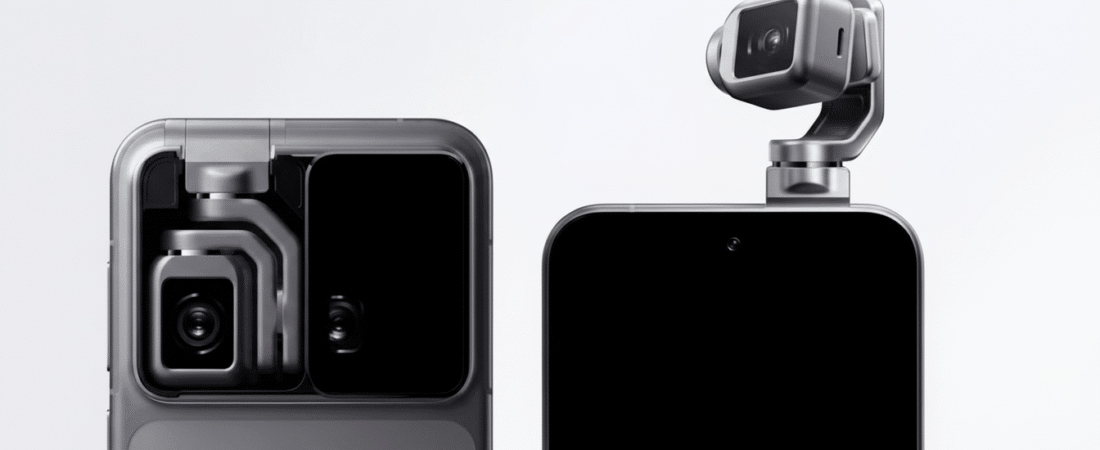
The smartphone industry constantly pushes boundaries, but Honor Robot Phone: The Smartphone With a Gimbal shows just how far innovation can go. Smartphones have evolved from simple communication devices to powerful cameras and content creation tools. Now, Honor is experimenting with a completely new concept a smartphone with a robotic camera arm that can physically move and track subjects.
The Honor Robot Phone was showcased as a futuristic concept device that blends robotics, artificial intelligence, and smartphone photography. Unlike traditional smartphones where cameras remain fixed, this device features a motorized camera system capable of rotating and tracking movement automatically. This could change the way we record videos, take selfies, and create content using smartphones.
For vloggers, filmmakers, and everyday users who love capturing moments, the idea of a phone that can automatically adjust its camera angle sounds extremely exciting. But is this robotic camera system truly useful, or is it just a futuristic gimmick? Let’s explore everything about the Honor Robot Phone, its robotic camera arm, features, advantages, disadvantages, and expected specifications.
The Robotic Camera Arm: The Biggest Highlight

The most unique feature of the Honor Robot Phone is its robotic camera arm. Unlike regular smartphone cameras that stay fixed in one position, this camera module can physically move, rotate, and track subjects automatically.
The system uses AI-powered motion tracking along with a mechanical motorized camera module. When you are recording a video or taking photos, the camera can follow the subject without the user needing to adjust the phone manually.
This technology is somewhat similar to professional camera gimbals used by videographers, but instead of attaching an external device, the stabilization and movement are built directly into the smartphone itself.
The camera arm is designed with multiple degrees of freedom, allowing it to tilt and rotate to maintain the subject in the frame. This could allow the phone to automatically follow a person walking, running, or performing an action.
Why This Camera Technology Is Important
Smartphones are increasingly used for content creation, vlogging, and social media videos. Many creators rely on tripods, gimbals, or additional equipment to keep their shots stable and properly framed.
With a robotic camera system built into the phone, users could record smoother videos without needing extra accessories.
Some key benefits include:
Automatic subject tracking
Better framing during videos
Hands-free recording for creators
More cinematic camera movements
Improved video stabilization
For example, imagine recording a cooking video or a fitness workout. Instead of constantly adjusting the phone, the robotic camera arm could automatically follow your movements and keep you centered in the frame.
This could be especially useful for solo creators who film themselves.
Do We Really Need a Moving Camera in a Smartphone?
While the technology sounds exciting, many people may wonder if a robotic camera is actually necessary.
Modern smartphones already include advanced features like:
AI subject tracking
Optical image stabilization
Electronic stabilization
Ultra-wide lenses for wider framing
These features already help users capture good videos without needing a moving camera.
However, a physical camera movement system could still offer advantages that software alone cannot achieve. Mechanical movement can allow smoother tracking and more natural camera motion compared to purely digital stabilization.
So while it may not be essential for everyone, it could become a powerful tool for creators and videographers.
Possible Disadvantages of a Robotic Camera System
As exciting as the idea is, there are also some potential downsides.
First, moving parts inside a smartphone could increase the risk of mechanical failure over time. Traditional smartphone cameras are fixed, which makes them more durable.
Second, the robotic mechanism may make the device slightly thicker or heavier than normal smartphones.
Third, such advanced technology may increase the price of the device, making it more expensive compared to standard flagship smartphones.
Finally, some users may simply prefer simple and reliable cameras without moving components.
Other Specifications and Hardware
While the robotic camera arm is the biggest highlight of the Honor Robot Phone, the device is expected to come with flagship-level hardware to support advanced AI photography and video recording.
Processor and Performance
The phone is expected to be powered by the Qualcomm Snapdragon 8 Elite chipset, designed for next-generation flagship smartphones.
This processor focuses heavily on AI processing, camera computation, and high-performance tasks.
With this chip, the phone should easily handle:
4K or cinematic video recording
Real-time AI subject tracking
Heavy gaming performance
Advanced photography processing
The device may also include up to 16GB RAM and up to 1TB storage, allowing smooth multitasking and high-resolution video storage.
Camera Specifications
Apart from the robotic camera mechanism, the phone is expected to include a powerful multi-camera setup.
Main Camera
200MP primary sensor
Aperture around f/1.7
Large flagship-level sensor for better light capture
Ultra Wide Camera
50MP ultra-wide sensor
Aperture around f/2.2 for wide-angle photography
Telephoto Camera
64MP telephoto sensor
3x optical zoom
Up to 100x digital zoom
Front Camera
50MP selfie camera
Depth sensing for portrait photography and video calls
These cameras combined with the robotic camera arm could make the device extremely powerful for video recording and content creation.
Battery and Charging
The Honor Robot Phone is also expected to feature a large battery to support heavy camera usage and AI processing.
Expected battery capacity is around 7000mAh, which is significantly larger than most flagship smartphones.
Charging options may include:
90W fast wired charging
80W wireless charging
This setup would allow the phone to charge quickly while still supporting long video recording sessions.
Display and Software
The smartphone is expected to feature a 6.7-inch LTPO OLED display with a 120Hz adaptive refresh rate.
This would provide:
Smooth scrolling
Better gaming experience
Improved battery efficiency
The display could also reach very high brightness levels, making it easier to use outdoors.
On the software side, the phone is expected to run MagicOS based on Android, optimized for AI features and smart camera tracking.
Expected Price and Launch
Since the Honor Robot Phone is currently a concept device, the final price and launch date have not been officially confirmed yet.
However, if this technology reaches commercial production, the phone will likely be priced in the premium flagship category, potentially competing with devices like the Honor Magic series, Samsung Galaxy Ultra lineup, and other high-end smartphones.
Final Thoughts
The Honor Robot Phone represents a bold step toward the future of smartphone photography. By combining robotics, artificial intelligence, and advanced camera technology, Honor is exploring a completely new direction for mobile devices.
While the robotic camera arm may not be necessary for every user, it could become an incredibly useful feature for vloggers, filmmakers, and content creators who want more control over their videos.
If this concept eventually becomes a commercial product, it could mark the beginning of a new era where smartphones behave more like smart robotic cameras rather than just fixed camera devices.
Picture Credits: Honor
Related posts:
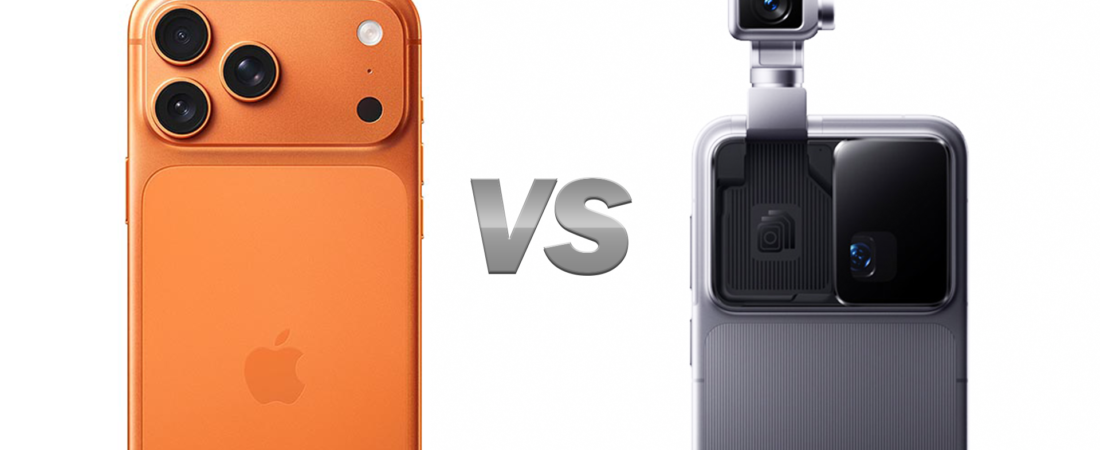 Honor Robot Phone vs iPhone 17 Pro: Innovation vs Perfection
 A Robot That Can Clean Your House: Figure AI Helix 02 Humanoid Robot Explained
 Google Pixel 10a Launch in India: Expected Price, Specs, Features & Everything We Know
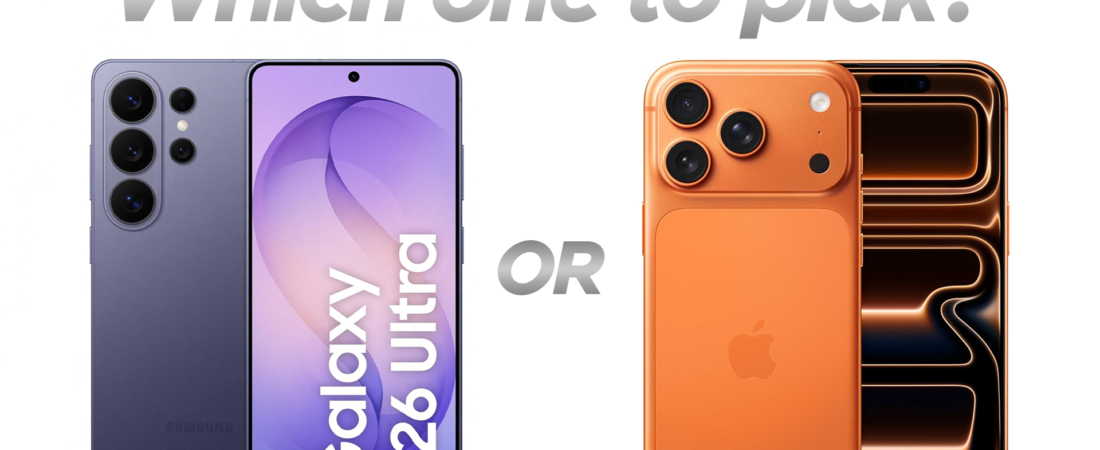 IPhone 17 Pro vs Galaxy S26 Ultra: Which Should You Buy in 2026?
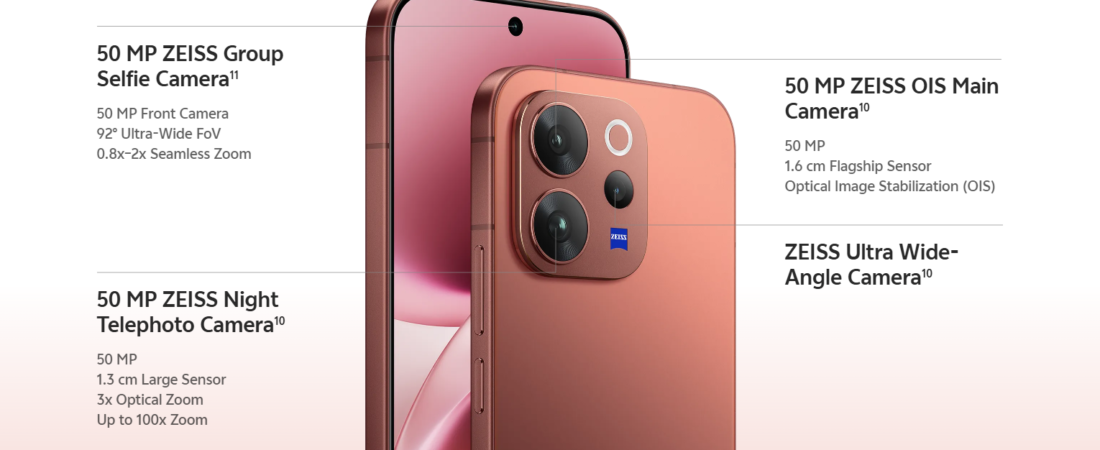 Vivo V70 & Vivo V70 Elite: Everything You Need to Know
 WiFi That Can See Through Walls? Inside the WiFi-DensePose Technology
 Xiaomi 17 & Xiaomi 17 Ultra: What You Need to Know Before the Global Launch
 iPhone 17e: Apple’s Smartest Value Flagship of 2026
 🔥 Top 5 Phones Under ₹20,000 for Gaming in 2026
 The Hidden Galaxy S26 Ultra Features That Actually Matter