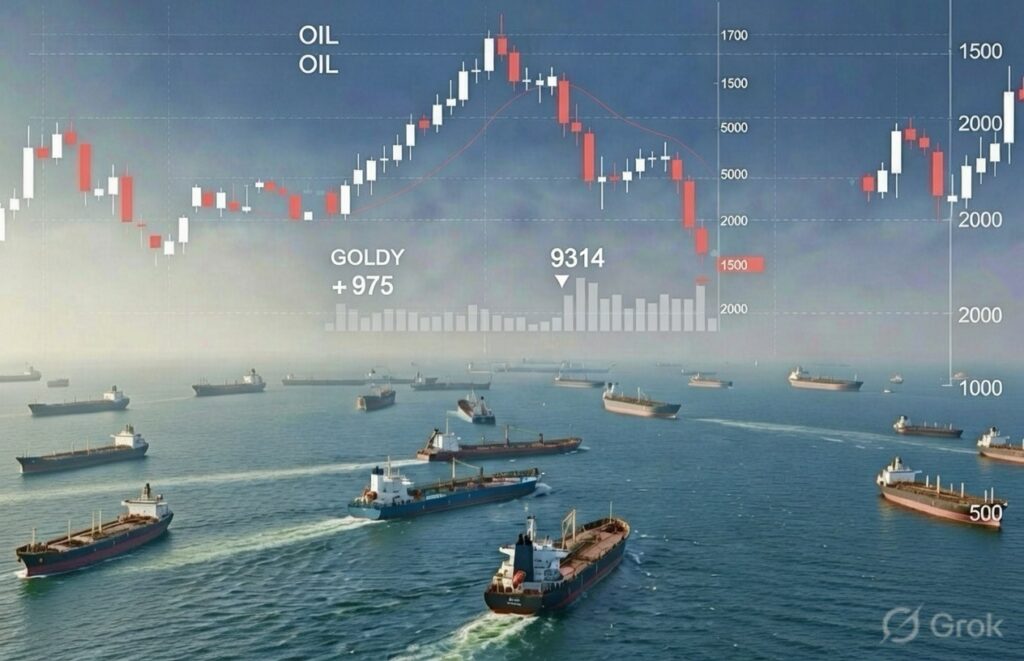
As of February 28, 2026, the world is watching one of the most critical energy arteries grind to a halt. Following coordinated U.S. and Israeli strikes on Iran—targeting military and leadership sites—Tehran has retaliated with missile barrages across the region. In response, major oil companies and trading houses have suspended crude and fuel shipments through the Strait of Hormuz, the narrow chokepoint connecting the Persian Gulf to the open ocean.
Vessel tracking data shows tankers piling up on both sides of the strait, with many avoiding transit altogether amid heightened risks. While the waterway itself remains technically open (no full Iranian blockade has been declared), the practical effect is the same: oil flows are severely disrupted. This passage handles roughly 20 million barrels per day—about 20-21% of global oil consumption and a significant share of liquefied natural gas (LNG). Even partial or precautionary halts can trigger massive supply fears.
Immediate Market Reactions and What Comes Next
The financial fallout is unfolding in real time. Here’s a breakdown of the key impacts:
1. Oil Prices: The Biggest Winner (For Now)
Brent crude is poised for a sharp spike when markets reopen. Analysts warn that sustained disruptions could easily push prices toward $100–150 per barrel (or higher in extreme scenarios like a full closure). Even a brief one-day blockade has been modeled to drive prices to $120–150. Energy majors like ExxonMobil (XOM) and Chevron (CVX) could see rallies, but volatility will dominate as traders price in war-risk premiums, skyrocketing insurance costs, and potential attacks on regional infrastructure.
2. Equities: Risk-Off Dominates
Global stock indices are flashing red. S&P 500 futures and European markets are already under pressure as higher energy costs feed into inflation fears and squeeze corporate margins—especially in energy-intensive sectors like manufacturing, airlines, and consumer goods. Tech and growth stocks, sensitive to rising yields and economic slowdown risks, face the hardest hits. If the disruption drags on, recession odds climb sharply for oil-importing economies.
3. Bonds and Interest Rates: Inflation Trades Heat Up
U.S. Treasury yields are likely to rise as markets bake in persistent inflation from energy shocks. The 10-year yield could surge, making borrowing more expensive and further pressuring rate-sensitive assets. Central banks face a dilemma: fight inflation (hawkish stance) or support growth amid geopolitical uncertainty.
4. Currencies: Dollar Strengthens, EM Pain
The U.S. dollar is rallying as the ultimate safe haven during chaos. Oil importers like India, Europe, Japan, and many emerging markets see their currencies weaken under imported inflation and higher import bills. Oil exporters (Saudi Arabia, UAE) may benefit short-term, but regional instability adds risks.
5. Safe Havens Surge: Gold and Beyond
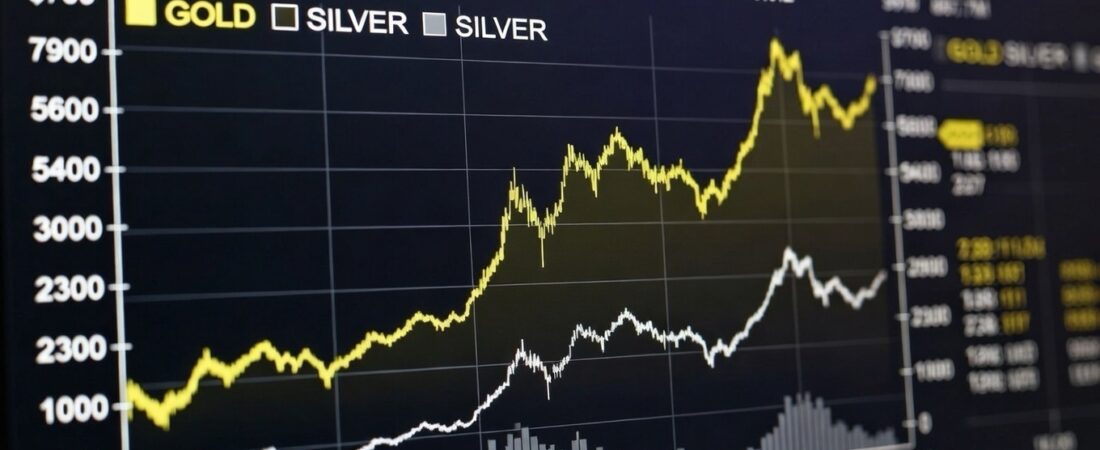
Gold is breaking out to new highs—classic behavior in geopolitical crises. Investors flock to it as a hedge against uncertainty, currency devaluation, and potential fiat inflation if central banks ease in response to slowdowns.
6. Crypto: Short-Term Dip, Longer-Term Wildcard
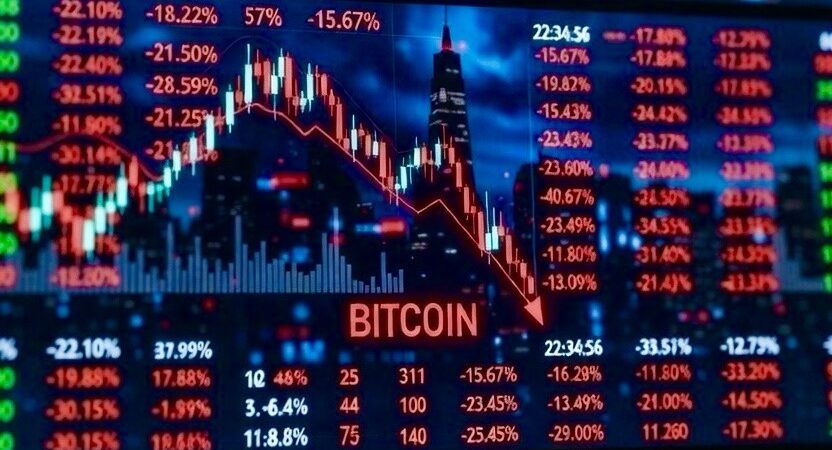
Bitcoin and Ethereum typically dip in initial risk-off waves (correlated with equities), but could rebound hard if inflation narratives strengthen—positioning crypto as “digital gold.” Altcoins and leveraged positions face brutal liquidations in the volatility.
Broader Implications: From Regional Conflict to Global Shock
This isn’t just another Middle East flare-up. The Strait of Hormuz has no easy workaround—unlike the Red Sea disruptions via the Cape of Good Hope rerouting. A prolonged halt (or Iranian escalation, such as mining or harassment) could remove millions of barrels daily from the market, overwhelming spare capacity from OPEC+ and U.S. producers.
Whispers of broader escalation—including potential involvement of other powers—add fuel to the fire. Markets hate uncertainty, and right now, every scenario from “contained strikes” to “full regional war” is on the table.
For investors: Stay liquid, hedge exposures (gold, energy plays, or options), and watch real-time shipping data and official statements closely. This could be a multi-day or multi-week event with massive swings.
The world just got a stark reminder—global energy security hangs by a 21-mile-wide thread. Buckle up.
Related posts:
 Will Gold and Silver Surge as Iran–Israel Tensions Intensify?
 Bitcoin Bleeds as War Fears Rise — Panic Drop or Generational Opportunity?
 🌍 Iran Attack Today Sends Shockwaves Through Crypto Markets
 Will SSD and RAM Prices Come Back to Normal? Full Market Breakdown
 India’s AI Boom: World’s Fastest-Growing AI Consumer — But Are We Building or Just Using?
 Claude in Crisis? Mexico Flags Major AI Data Concerns
 Xiaomi 17 & Xiaomi 17 Ultra: What You Need to Know Before the Global Launch
UPI in Israel: India’s Fintech Goes Global 🇮🇳🤝🇮🇱
Anthropic AI Shock: Why Indian IT Stocks Crashed
Xiaomi 17 & Xiaomi 17 Ultra: What You Need to Know Before the Global Launch
UPI in Israel: India’s Fintech Goes Global 🇮🇳🤝🇮🇱
Anthropic AI Shock: Why Indian IT Stocks Crashed
 Sundar Pichai Meets Narendra Modi: What the February 18, 2026 Meeting Means for India’s AI and Tech Future